
If you read about our slightly strenuous bus journey from Luang Prabang to Pakse, you know that we came here to visit the Bolaven Plateau. After we recovered from said bus journey, we have one appointment: a briefing about the Bolaven Plateau at Pakse’s most famous motorbike rental agency, Miss Noy.
Now what is this Bolaven Plateau we have now mentioned five times? It is a tour into rural Laos with the main attractions being coffee and tea plantations, and waterfalls. There is a small loop and a big loop. We only have time for the small loop and, apparently, for the big loop it is also recommended to have a more powerful motorbike. We set out to cover about 200km in three days, spending two nights somewhere along the way.
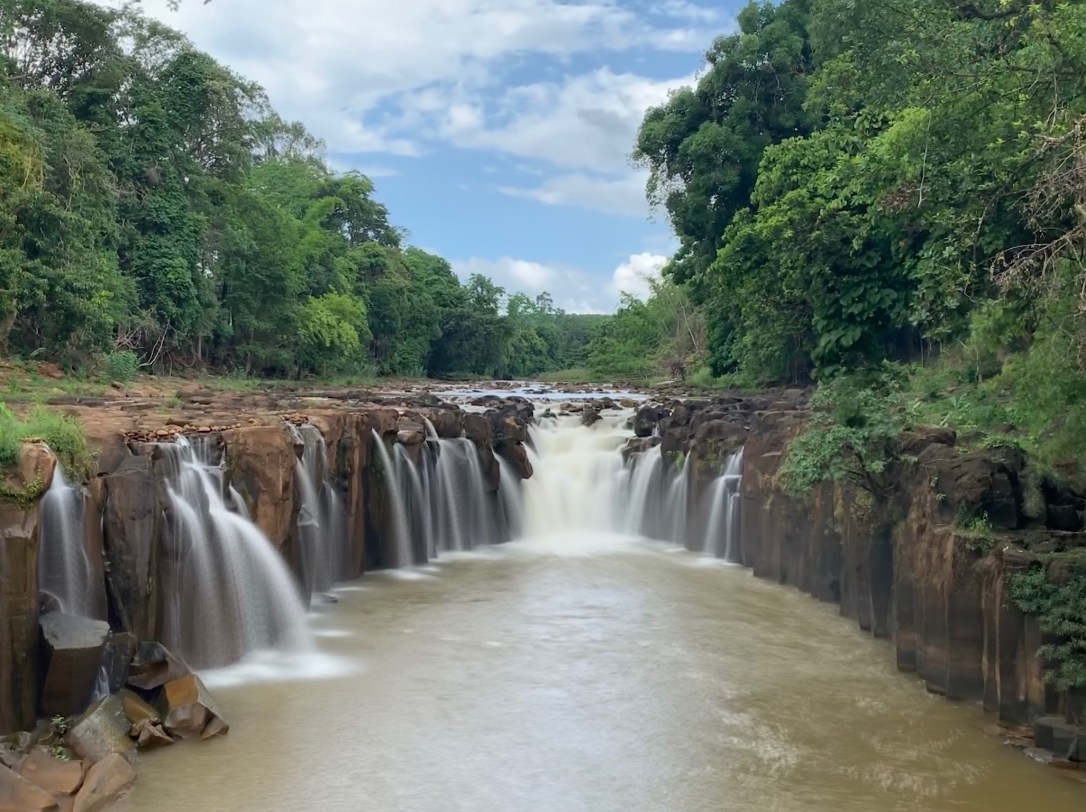
Our big backpacks stay at our hotel in Pakse, where we will spend another night after the tour. We pack the essential into our day packs and the next morning around 9, we hop on the motorbikes and are off towards the first waterfall, Pha Suam. Only 45 minutes from Pakse, this waterfall is nice for a short break but nothing too spectacular.
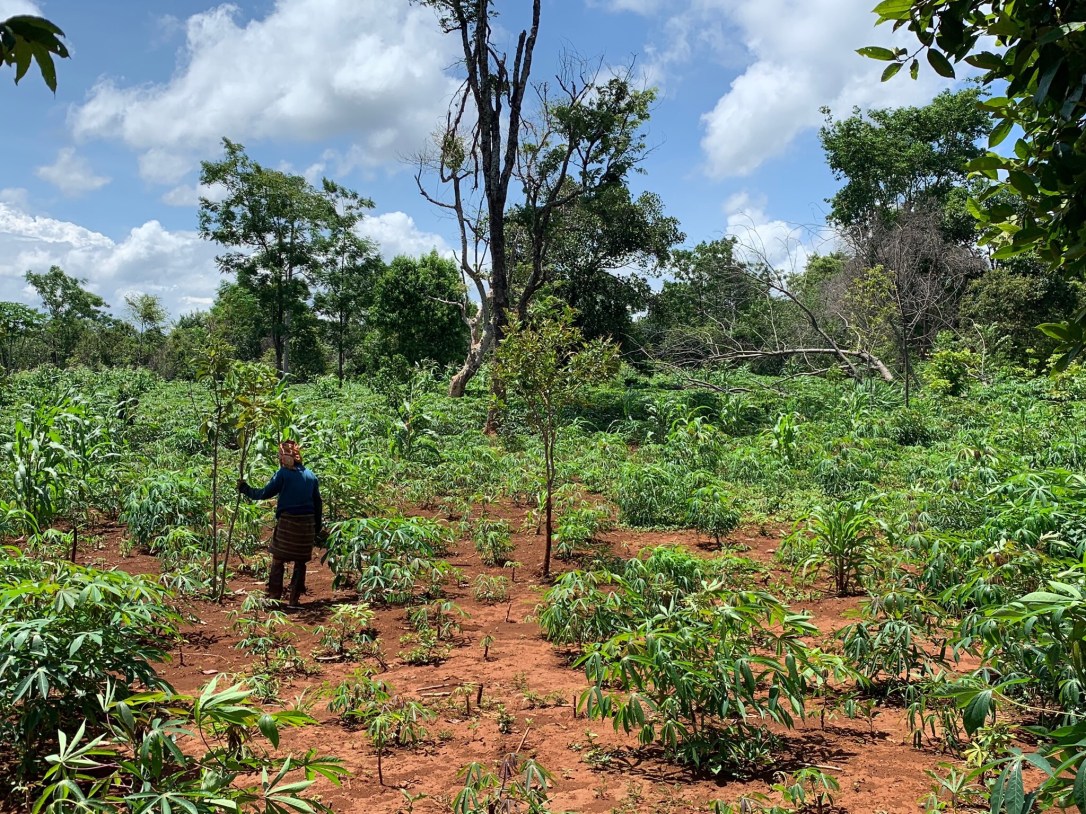
Another 45 minutes later, we arrive at Mr. Vieng’s coffee plantation, another famous stop of the loop. We arrive just in time for Mr. Vieng to start a little tour around the plantation. Coffee is harvested in February, so the plantation is fairly quiet right now. There are arabica, robusta and liberica plants, surrounded by cotton and manioc plantations. Of course, we don’t just look at the coffee. After the tour, we enjoy a delicious lunch and some coffee, prepared in an Italian mokka. Happiness in our hearts!
Only about an hour to go and we already reach our final destination for the day, the village of Tad Lo. We head to one of the guest houses recommended by Miss Noy and are lucky to get the last two rooms – simple but with fan, private bathroom and running water.
We explore the surroundings a little, notably the close by waterfall. Every day around 4pm, two elephants come to bathe with their mahouts. Unfortunately these elephants don’t enjoy the freedom of their relatives in MandaLao, they have some chains on their feet and apparently they are used for elephant riding. Nevertheless, they enjoy bath and feeding time, it seems.
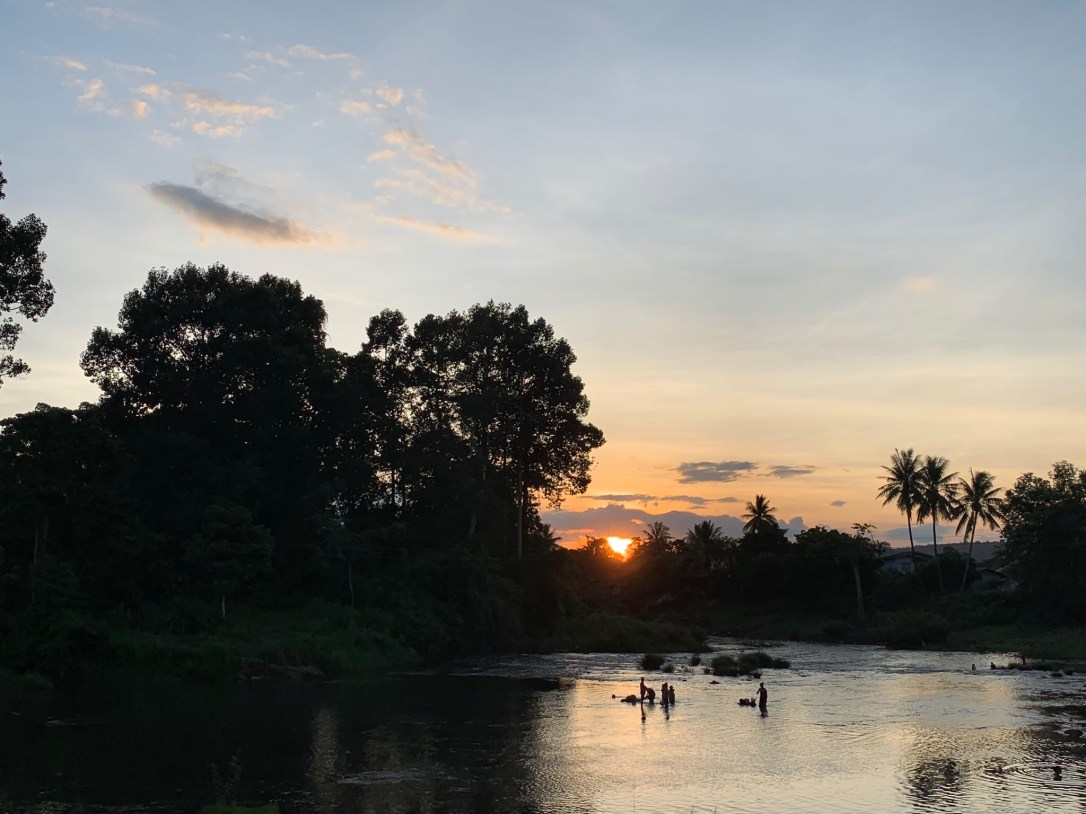
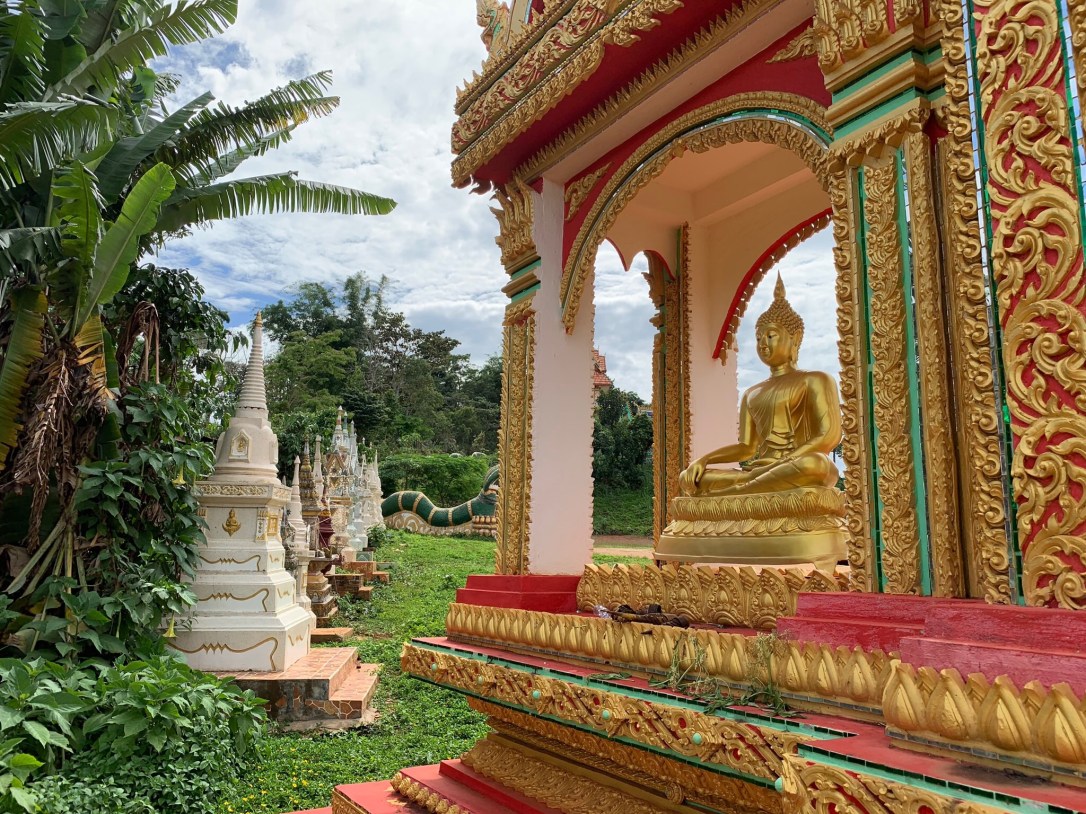
At sunset, we discover the real magic of this little village. We sit in some little huts next to the temple and see that locals are very busy in the river: brushing their teeth, bathing, getting haircuts. Meanwhile, others are taking their buffalos for a drink. As the sun starts to vanish, the sound of hundreds of birds starts to fill the air.
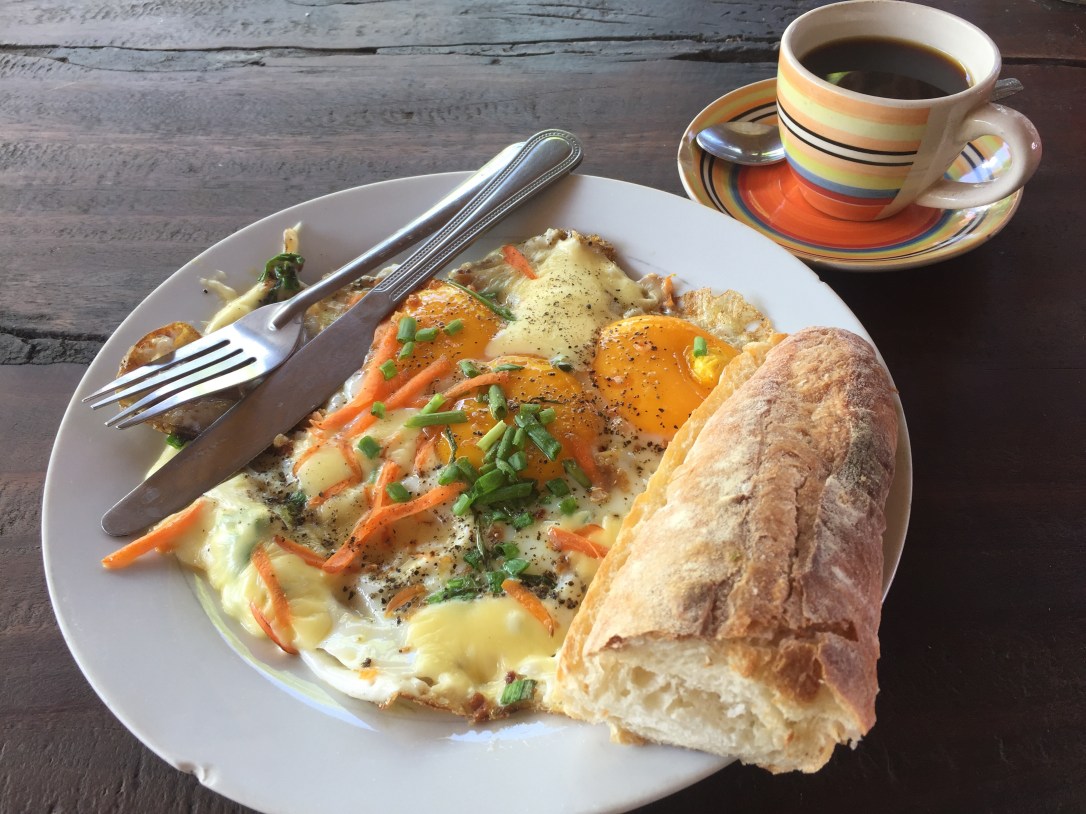
Fully enchanted, we walk back to our homestay. Once it gets dark, the little village gets very quiet – not every house has electricity. We have a lovely dinner, listen to some Lao music to the delight of the children in the house, and go to bed early to prepare for the next day. The breakfast is even more delicious than dinner – for some reason the owners have access to amazing cheese, which is not found regularly on the menu around here.
One popular stop on the Bolaven loop is a Katu village, which is known for its animistic beliefs, children getting married at 3 years old and also smoking from that age, women giving birth in the forest by themselves etc. This is certainly not the only place in the world but this one you can visit with a guided tour offered by “Mr. Hook”, one of the inhabitants – maybe the only one – that has actually left the village. The tour is known to be about 3h long. While we are somewhat curious, we decide that we don’t feel entirely comfortable visiting this village like a zoo and also that a minimum of 3h sounds excruciatingly long.
This means that we are in no particular hurry today to leave the picturesque Tad Lo. We take another little walk around the village and even take a dip in the waterfall.
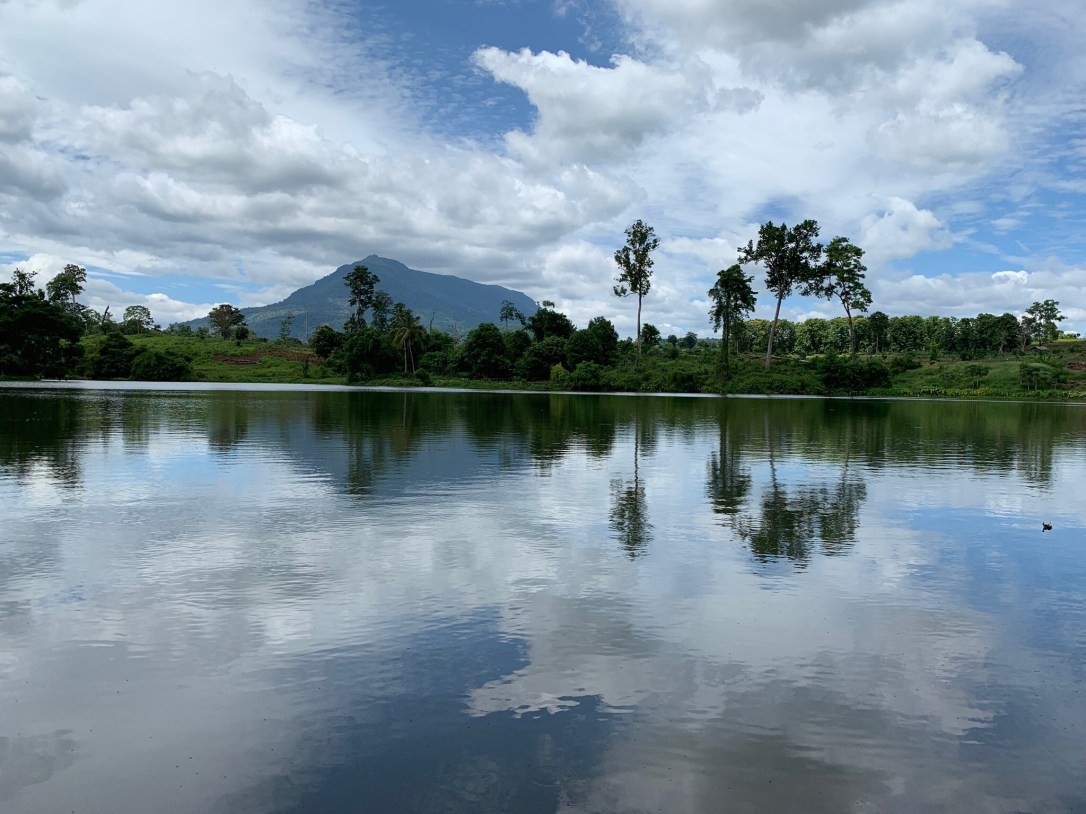
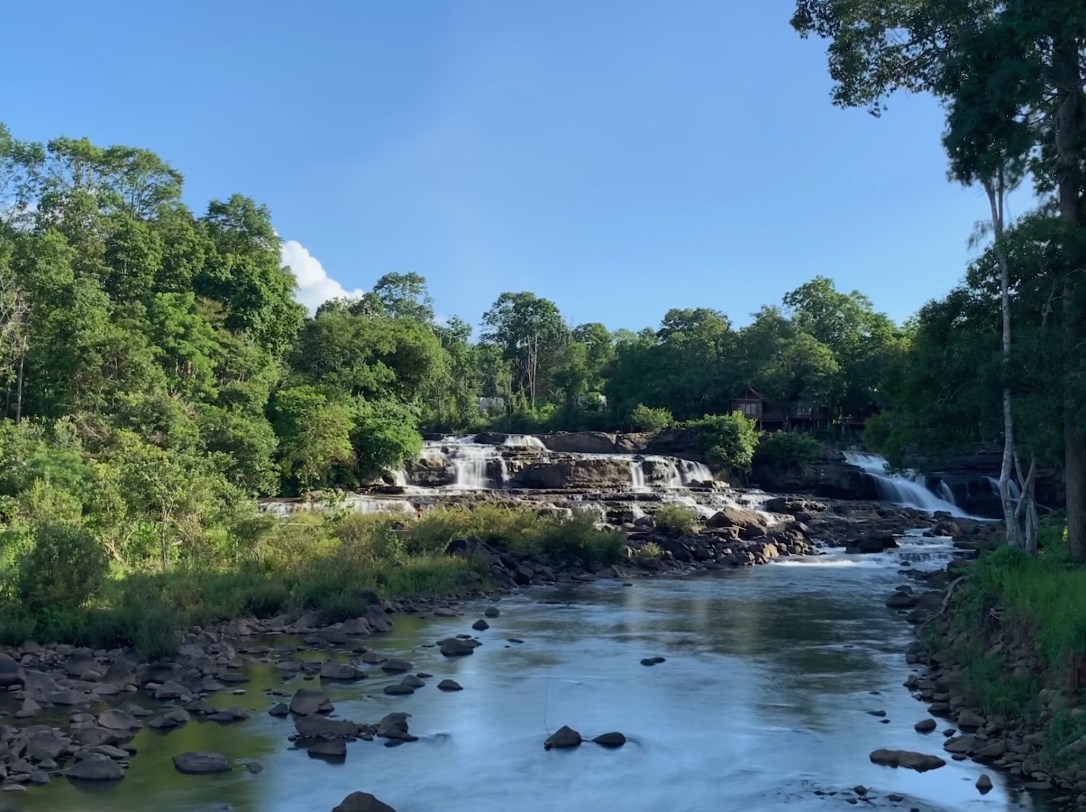
We enjoy our drive through rice fields and coffee plantations, passing by temples and villages. Our only planned stop is the Sianoukh coffee resort, which is one of the biggest producers in Laos.
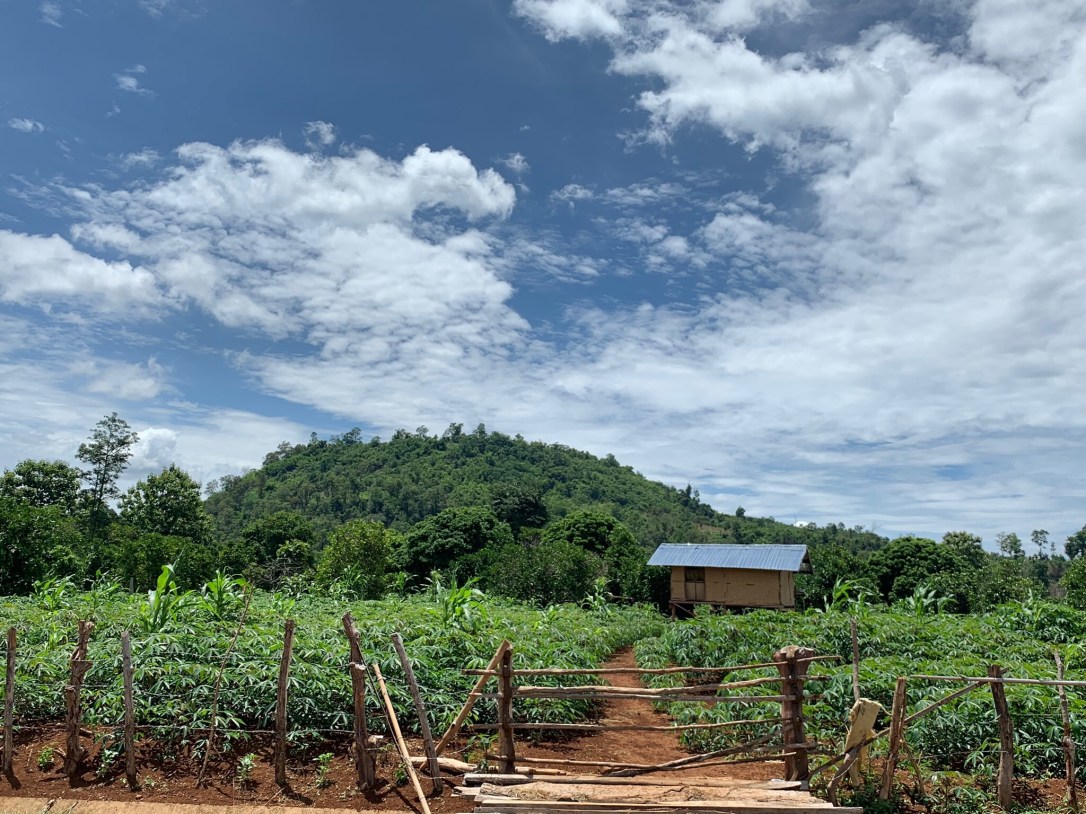
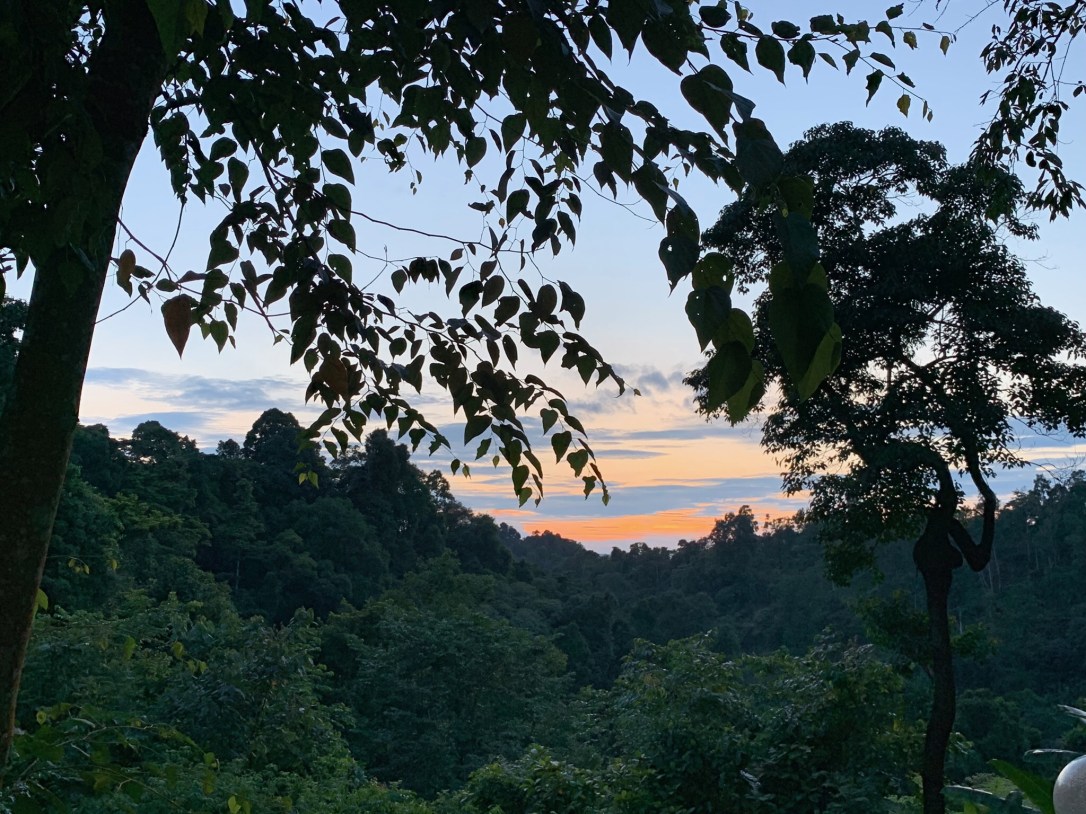
For the night, we want to make it to Paksong, to visit the Tad Fane waterfall the next morning before heading back to Pakse. Just before sunset, we arrive at the Falls View Resort, right by the E-Tu waterfall. This is quite the place to spend the night, surrounded by jungle sounds and, of course, listening to the water crashing down. We climb down a billion stairs to admire the waterfall, and then back up to enjoy the sunset.
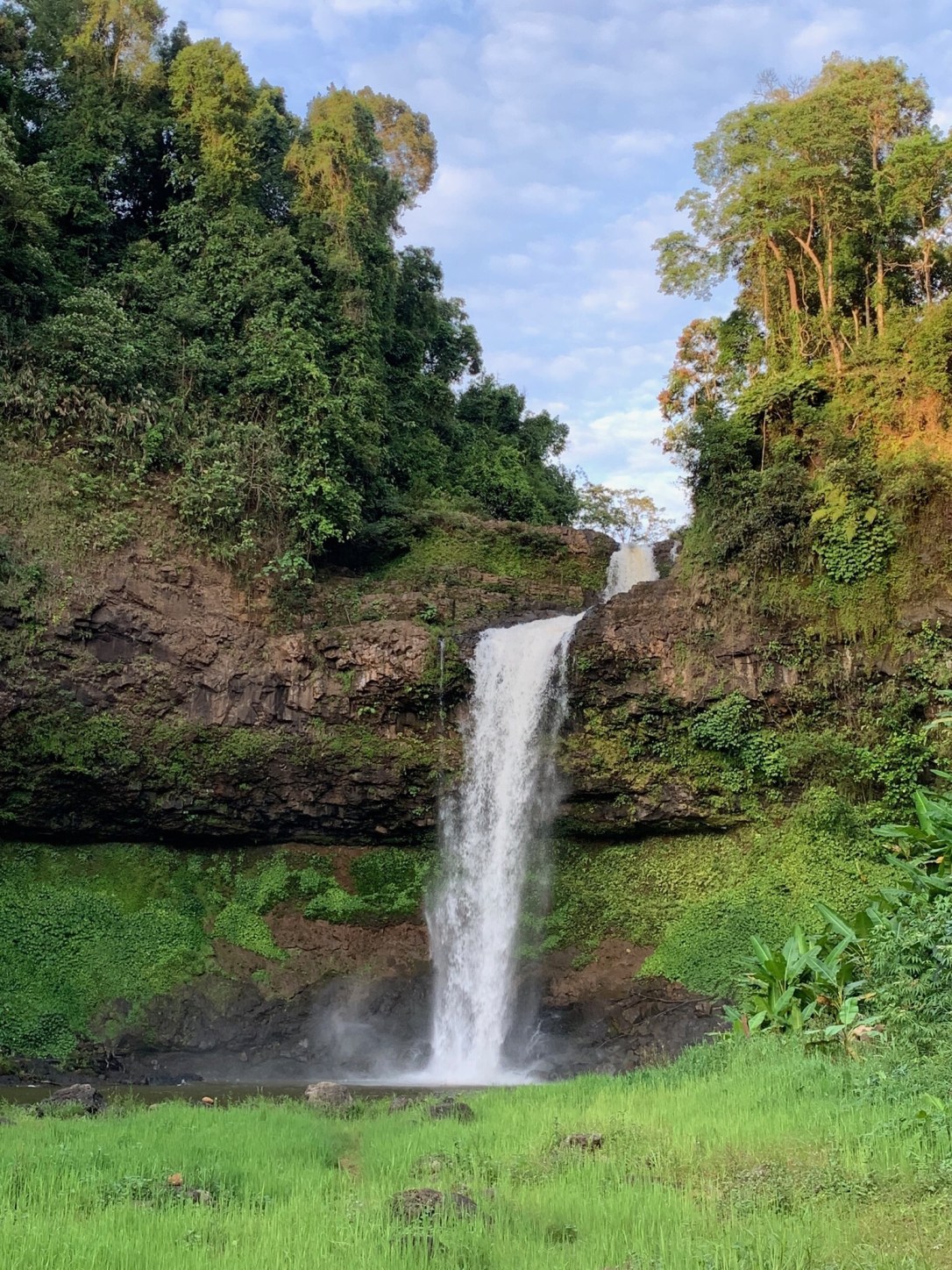
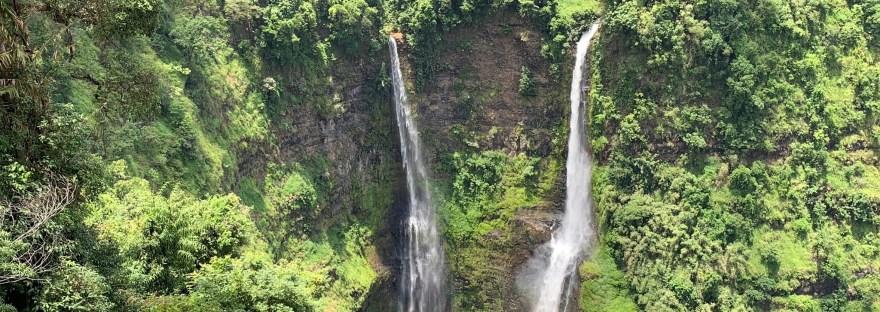
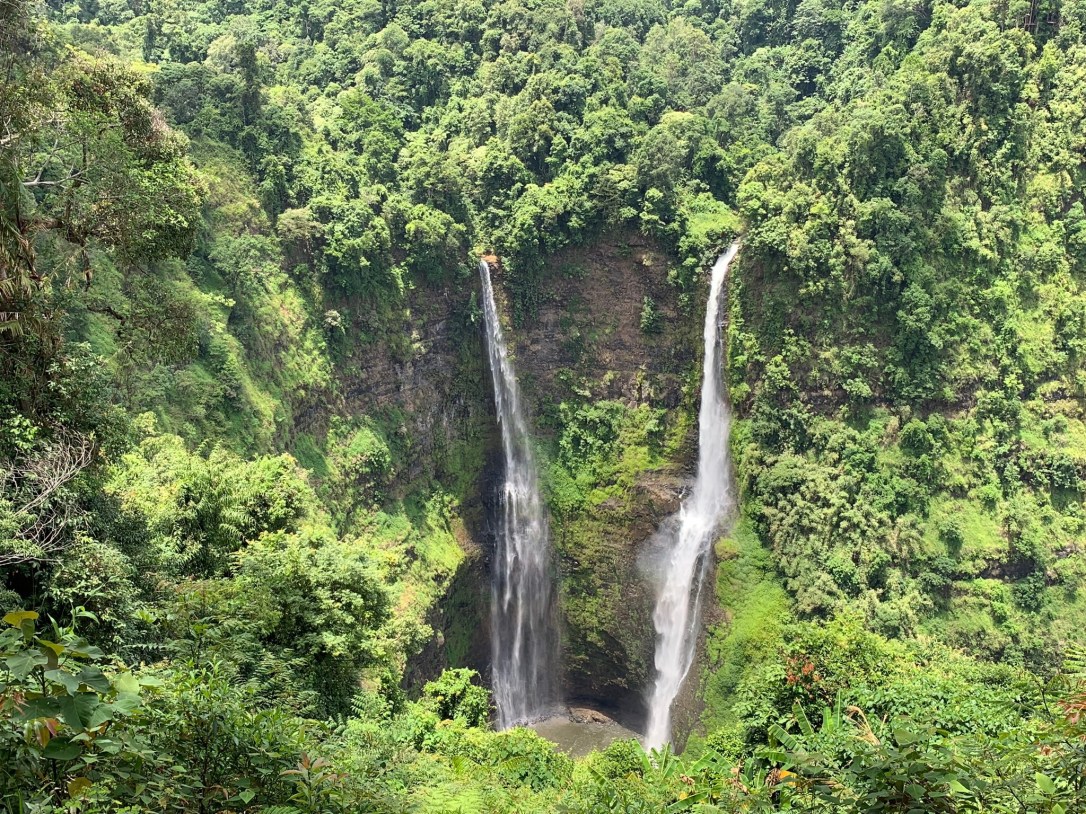
The Tad Fane twin falls are the most impressive we see on the short Bolaven loop. The water falls from 120m and is, of course, surrounded by the jungle. It is way too low to be able to swim, the only way to get nearer to it is to zip line over. We politely decline.
Our final stop is the BPC coffee plantation, where we do some more coffee shopping, and off we go to cover the last 40 or so kilometres back to Pakse. It’s our friends’ last day in Laos and they spend some more time souvenir (i.e. football jerseys, which are abundant in Laos for reasons unknown) shopping, before a last dinner of sticky rice, curry and morning glory.
They are headed to the airport the next morning, whereas we are picked up by a minivan to go south and visit the 4000 Islands. Ok, we won’t visit all 4000 of them, but just Don Det. These islands are in the Mekong River, close to the Cambodian border.
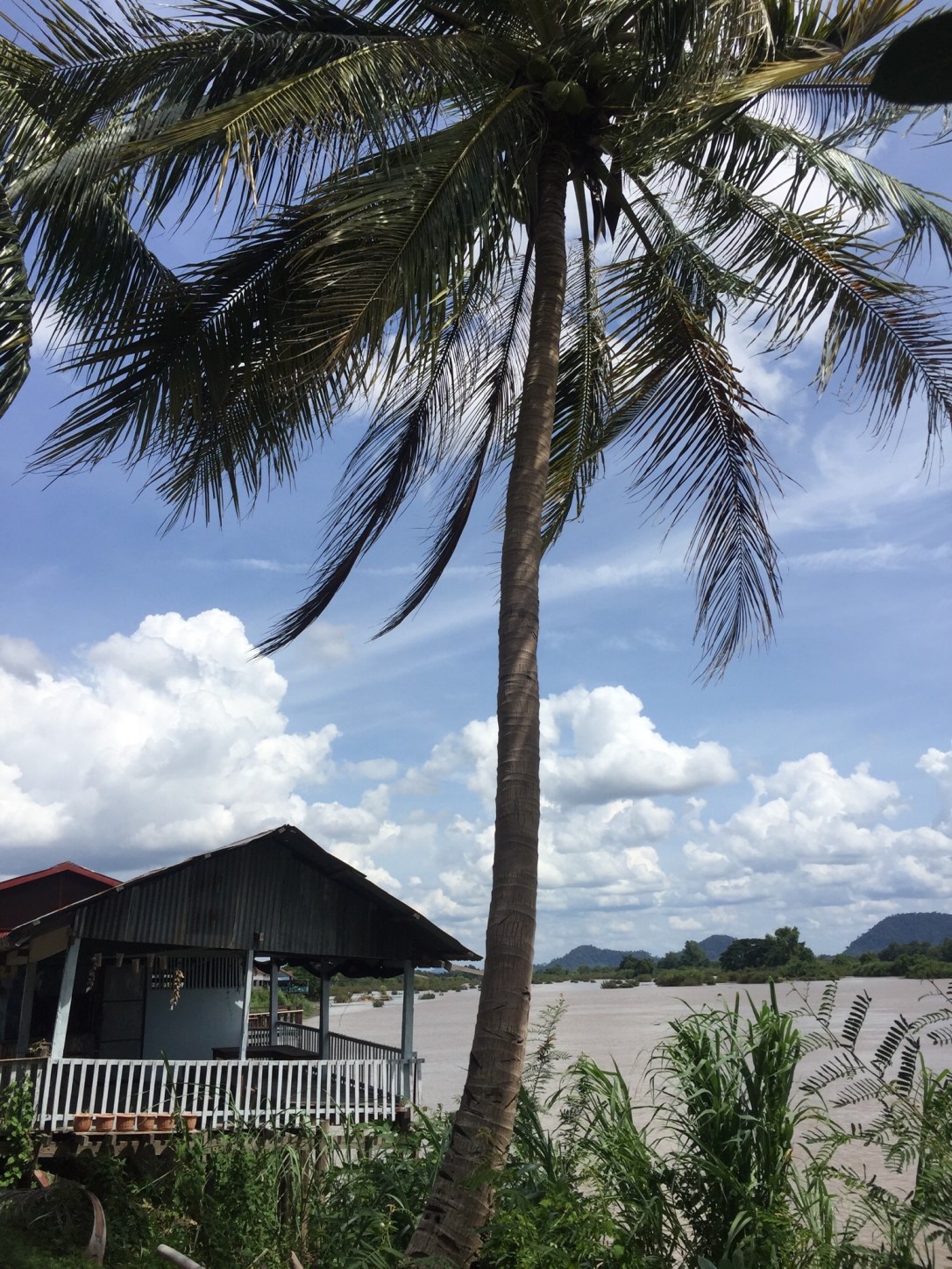
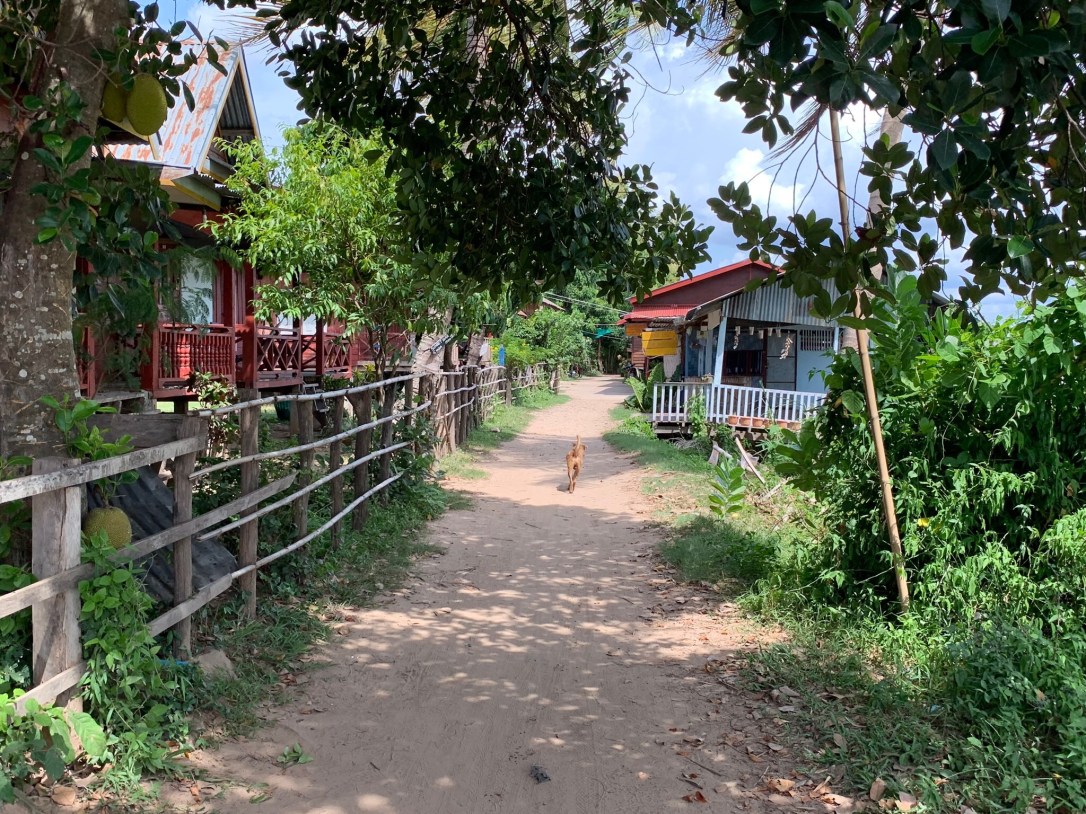
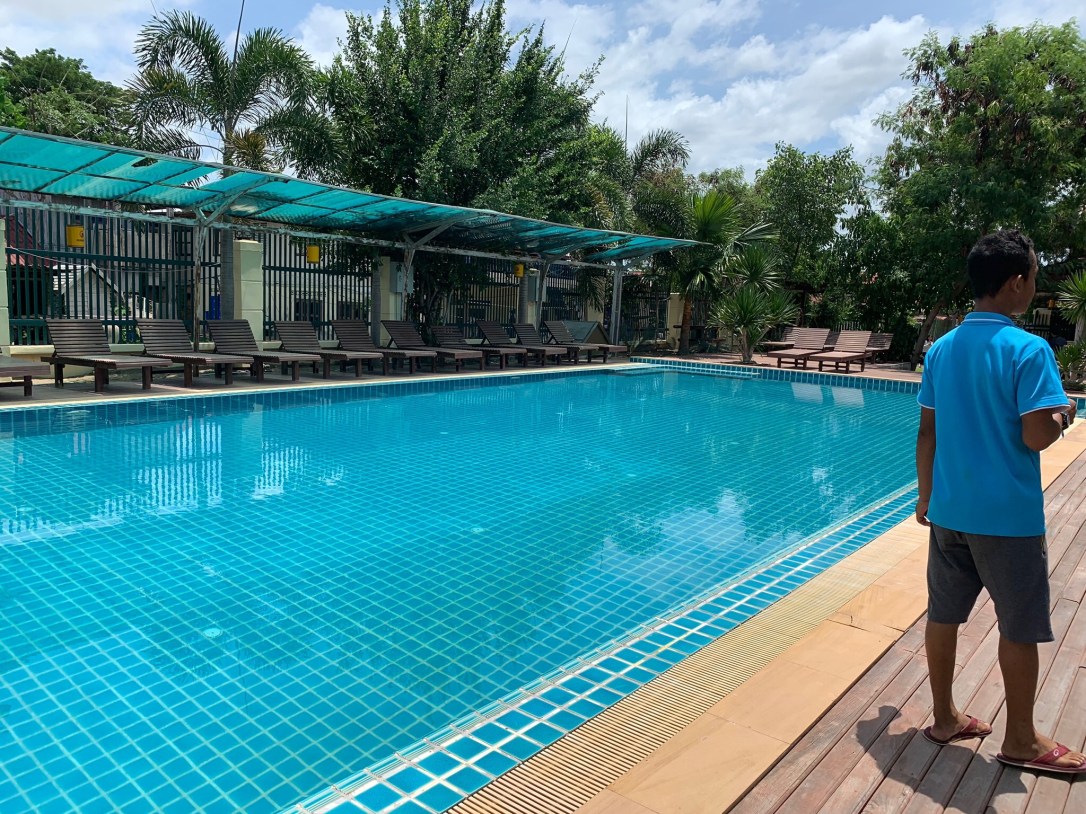
Don Det has reached some fame for drawing many party tourists and while we see a few restaurants and bars offering magic mushrooms and happy milkshakes, it is off season and so quiet when we get there. This is exactly what we wanted (the quiet, not the mushrooms). We’d been on the road quite a bit in the last couple of weeks, so our plan for the next days is to do absolutely nothing before continuing on to Cambodia. Apart from partying (in high season), there is not all that much to do here besides taking a bicycle around the island and going on a boat trip to see dolphins. Originally we made halfhearted plans to do that, but in the end we spend two and a half days doing literally nothing but laying by the gigantic hotel pool, eating delicious Indian food (no clue why there are so many Indian restaurants here), and figuring out our transport to Siem Reap.
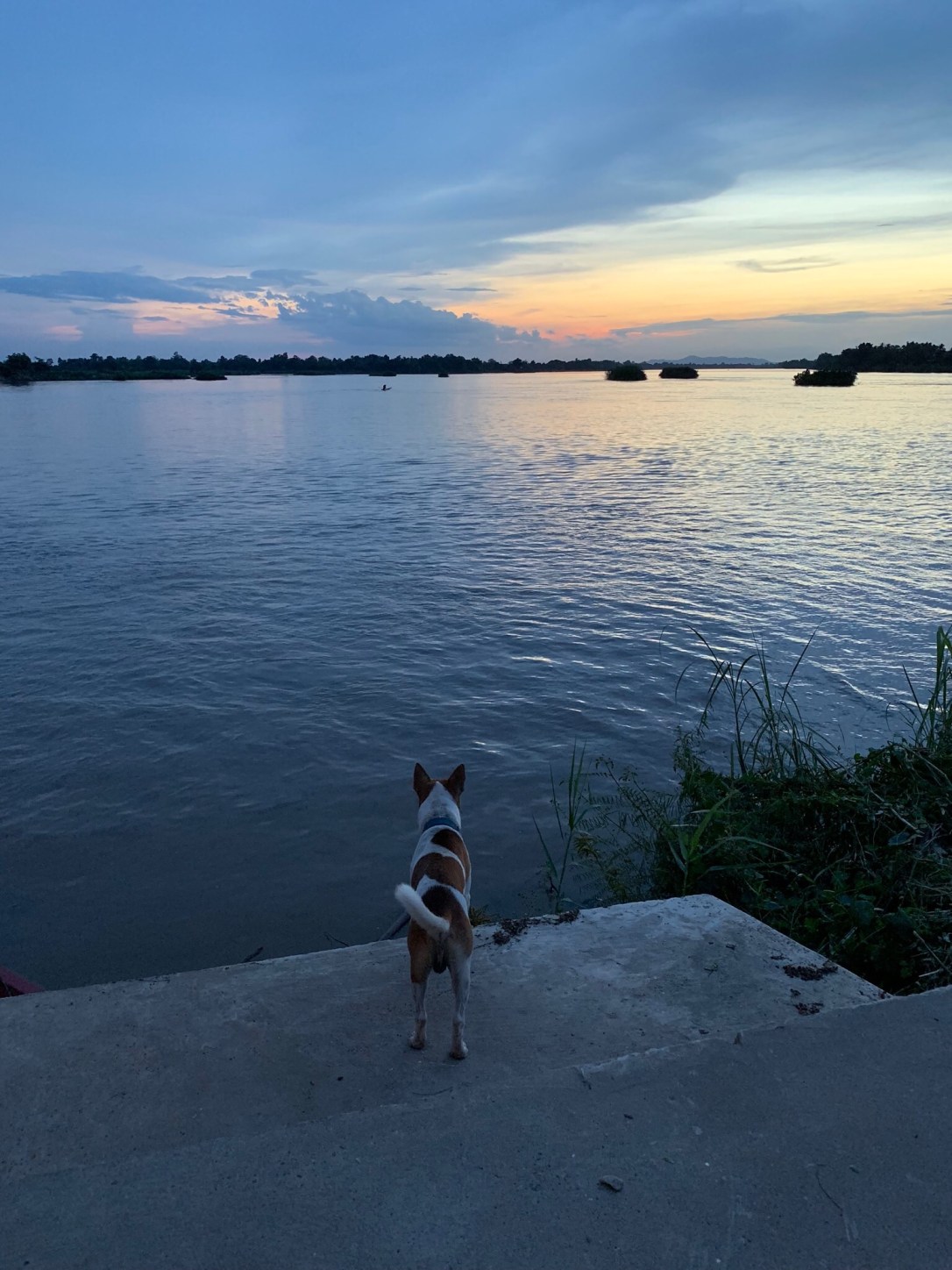
When we step on the small boat back to the main land, we feel ready to face the trip across the border. Cambodia, here we come!
Practicalities for the Bolaven Plateau
We did the small loop (200km) in about 2.5 days. It is possible to do it in two days, one night. We were off season and it seemed that there were less than 10 other people doing the loop at the same time. In high season, that can be different and places like Tad Lo and Paksong (close to Tad Fane) may fill up. The roads are good and not difficult to drive. Leaving and entering Pakse is the busiest part of the trip.
Our stops:
Day 1: Pha Suam waterfall, Mr Vieng coffee, Tad Lo
Day 2: Sianoukh coffee resort, E-Tu waterfall
Day 3: Tad Fane, BPC (Bolaven Plateau Coffee) producers
Hotels:
Intouch Riverside Hotel, Pakse
Very nice hotel south of the centre; when we were there, the riverside was being prepared for a promenade. Rooms are comfortable, breakfast is good and there is a small pool on the rooftop. We paid around 23€/night with breakfast. We left our luggage here while we did the Bolaven loop, as we spent another night here after our return to Pakse.
Fandee Guesthouse, Tad Lo
The rooms were simple, but they were private rooms with private bathroom, and cold, but running water, and electricity and a fan, which is as luxurious as it gets in Tad Lo – unless you head to the Tad Lo Lodge, which is the fanciest in town. You are in the middle of the village so expect roosters and dogs and an early wake up. We paid around 6€ for one night. You can get breakfast and dinner and it’s absolutely delicious. We didn’t reserve in advance but in high season it may be advisable. Fandee is available on booking.com.
Falls View Resort, Paksong Area (E-Tu Waterfall)
Gorgeous setting; rooms were nice and cost around 27€ with breakfast. It’s about a 10 minute drive away from Tad Fane and BCP. Breakfast and dinner weren’t very good. During low season the restaurant closes early so good to bring some food with you.
Scooter Rental:
Miss Noy, 80000 Lao Kip/day; you can reserve a scooter in advance, which can be handy in high season. Every night at 6pm, they organise a briefing for the loop. You can leave your big luggage with them.
Getting to Pakse:
We took the night bus from Vientiane, which, coming from northern Laos, is pretty much your only option if you want to travel by land. Pakse also has an international airport. From the South (4000 islands or Cambodian border), you can travel by minivan.
4000 Islands
From Pakse, it takes about 2h to get to the pier in Nakhasong. We booked a ticket for both the van and the boat with the hotel in Pakse. This cost around 7€/person. From Nakhasong, it takes about 15 minutes to get to Don Det. Coming from Cambodia, Nakhasong is about 30 minutes from the border.
Most accommodation on Don Det is quite simple. We wanted to ensure that we get a good rest and opted for the Little Eden Hotel (27€/night with breakfast), boasting air conditioning, hot water, and a large swimming pool. We were happy to have done that, but it was not particularly good value for money compared to other accommodation in Laos. You can access their pool as outside guest for around 4€/day.
There are a few Indian restaurants on the island and we fell in love with the food at the Jasmin Restaurant. We also had a very spicy lunch at Mama Thanon, and sweated about 50 litres having delicious noodle soup in a hole in the wall restaurant. There were street stalls selling very tasty samosas.
There are no atms on the island but at a few places you can take out money with your credit card (kip and dollars). They take a steep commission so your best bet is to bring enough cash.

 lookingforcoconuts