
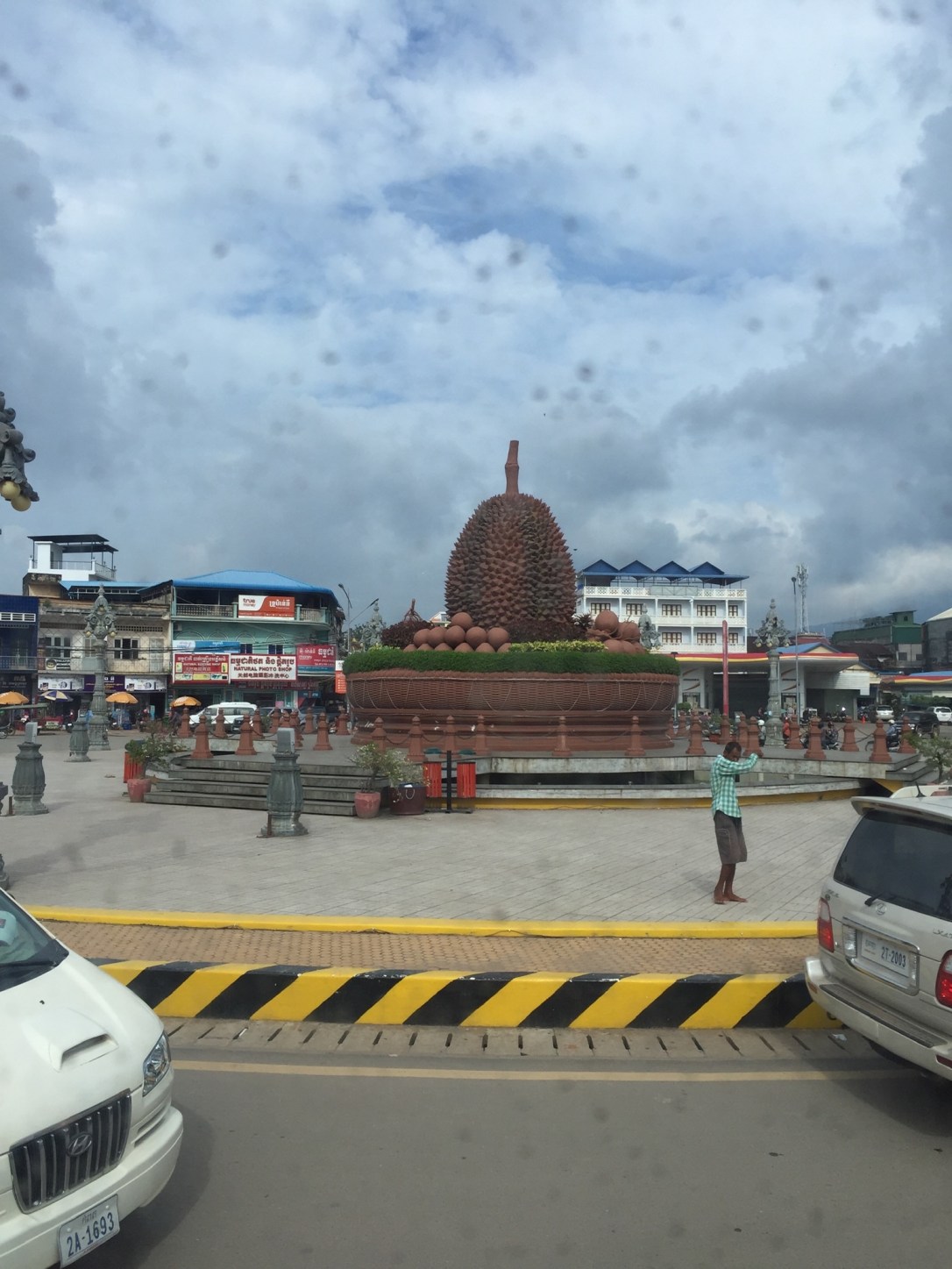
The bus that takes us to Kep first stops in Kampot, a small town about 30km from Kep. It’s known for its pepper, but more about that later. The first thing we see is not pepper, but a giant statue of Durian – the king of fruit. This intense smelling fruit is highly popular in Southeast Asia, while Westerners often have to cover their noses when catching a whiff of it. Everybody has to decide for themselves, but Cambodians definitely don’t hide their love for the spiky fruit.
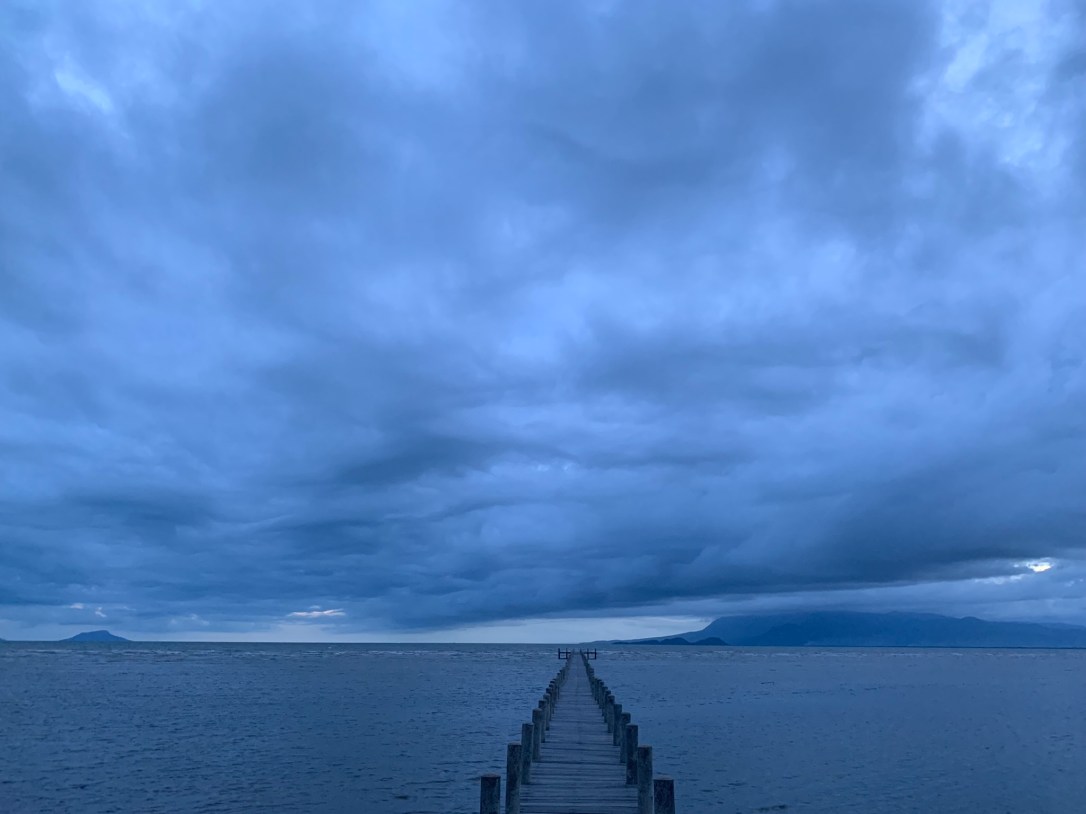
We look forward to arriving in Kep because we haven’t seen the sea in about six weeks, after leaving Koh Samui. Kep is located in the south of Cambodia (duh), at the Gulf of Thailand, and provides a view on the Vietnamese island of Phu Quoc. The skies are a bit gloomy on the evening of our arrival, but we enjoy the sound of the waves.
Truth be told, the beach in Kep (at least the one in the town) is not amazing. We had plans to head to the small island of Tonsay, a short boat ride away, but the weather just isn’t quite good enough to entice us to pack our bags again. We therefore decide to stay put and explore Kep’s sights, notably the national park and the butterfly garden. A little tip: don’t just follow the google instructions to the national park, as it’s just a random point in the middle of the park. Which you can drive to with a scooter, if like Brice you enjoy bumpy, muddy roads. Nevertheless, we decided to stop at some point and to have another look as to where the actual entrance to the park is (it’s behind the Veranda Natural Resort).
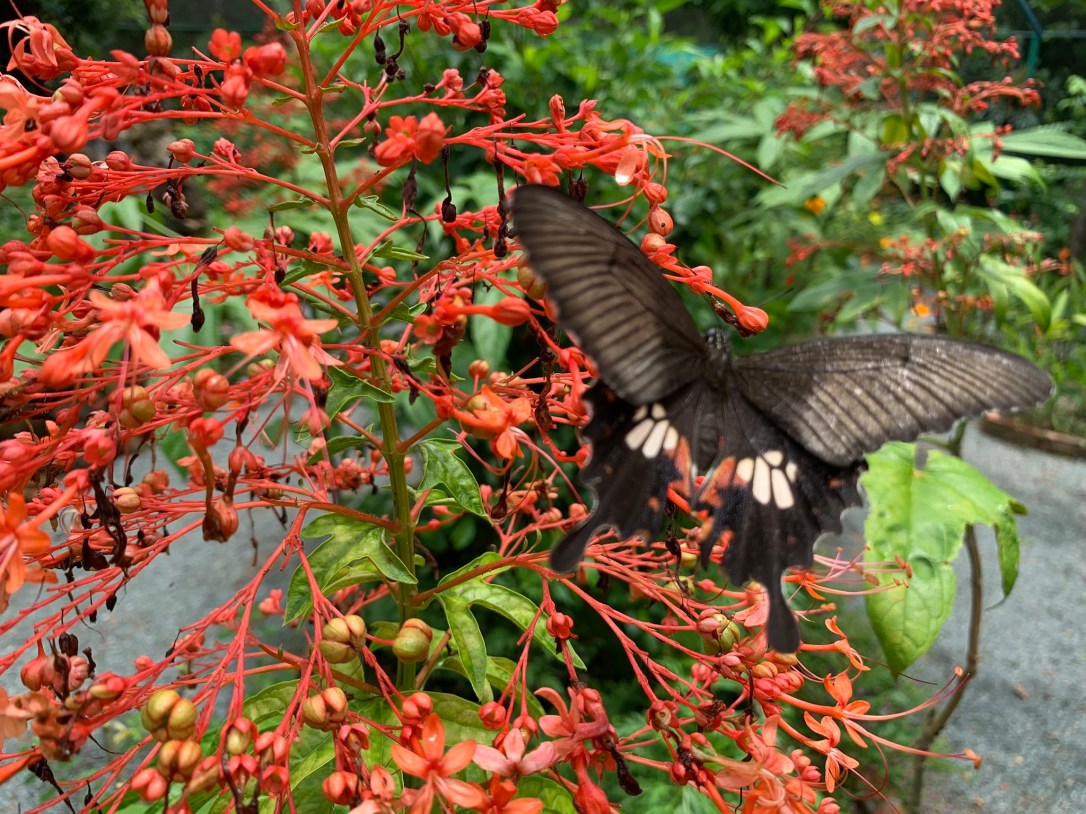
After this first failed attempt to explore the national park, we make our way to the Butterfly Garden, which has much better signposting. The garden looks small at first, but we are actually amazed by the beautiful butterflies that flatter around our heads.
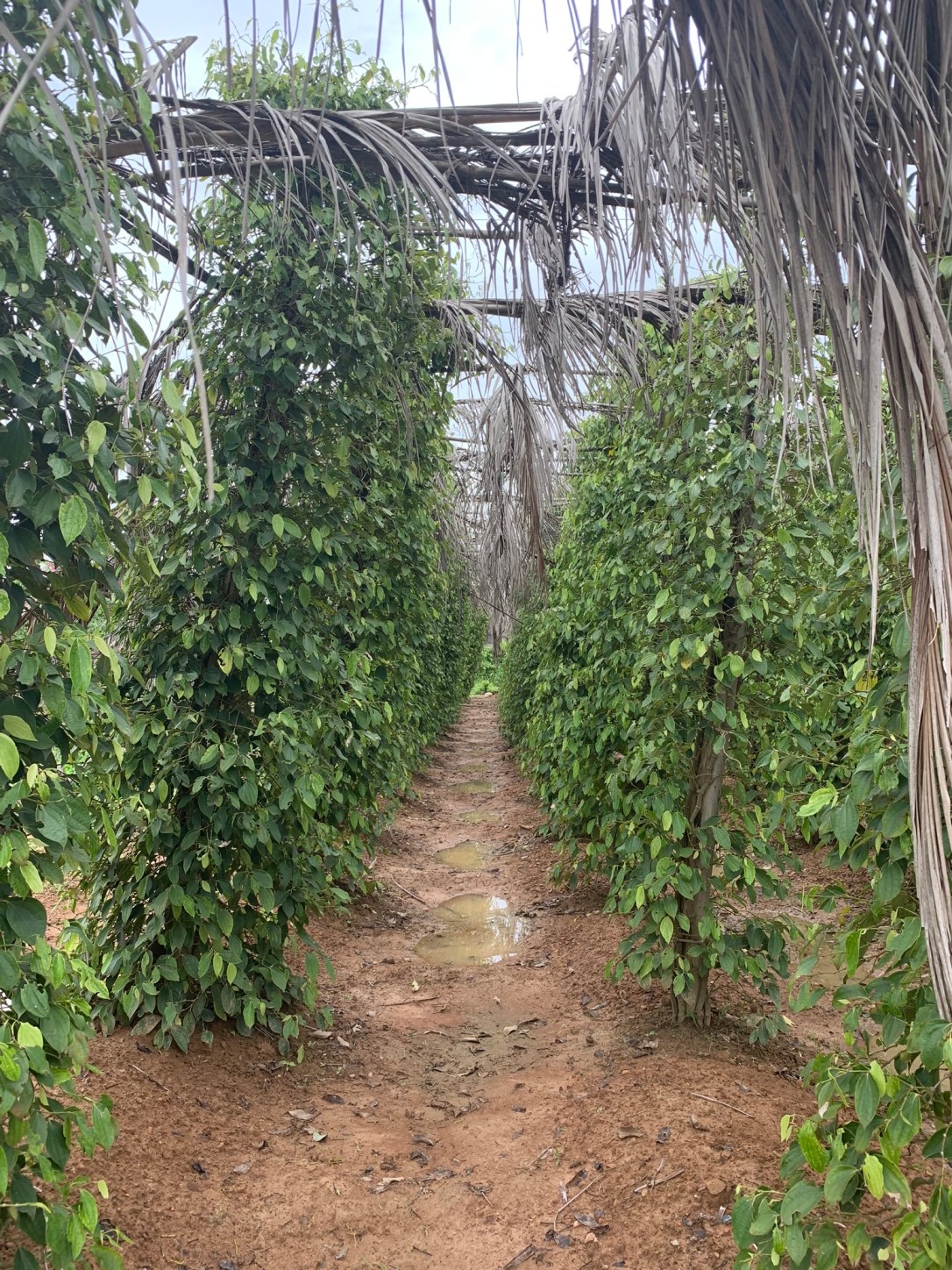
The next morning we are set to find out what Kampot pepper is all about. Our first destination is a pepper plantation called La Plantation, which, guess what, is run by some French people. The plantation is pretty big, it includes a shop and two restaurants. We join a tour that is held by a friendly but fairly unenthusiastic guide, who mostly repeats that all the pepper is available for purchase at the shop.
We do, of course, learn that all colors pepper come from the same plant and are just different stages of ripening (or peeled, in the case of white pepper). And we also learn that there is only one other place in the world where pepper is of protected origin is, in Cameroon. Kampot pepper is a protected designation – it has to actually come from the region and there are strict rules for the production. While the knowledge of growing the peppers is centuries old, the French colonialists first started to produce industrial quantities. Some hypothesize that since growing the pepper is similar to growing wine, the French brought the knowledge for larger scale production. When the French left upon the arrival of the Khmer Rouge regime, the knowledge got lost and only recently has the production picked up again. Much of this information didn’t actually come from the first visit we did at La Plantation. After we did buy a couple of packs of pepper, we left a bit disappointed by the experience and remembered we had seen another sign on the way, to the BoTree Pepper Farm. As we arrive, there is just one other visitor – just finishing her lunch. We also order lunch and it’s one of the best meals we had in Cambodia, with the delicious Kampot pepper being the star. With full bellies, we get ready for our second pepper farm tour of the day – and the volunteer who is taking us around is so passionate about his work that we don’t even see time go by. Not only does he know a lot about the pepper, but also about the historical context and current pepper affairs (see above). Who knew there was so much to know about pepper?
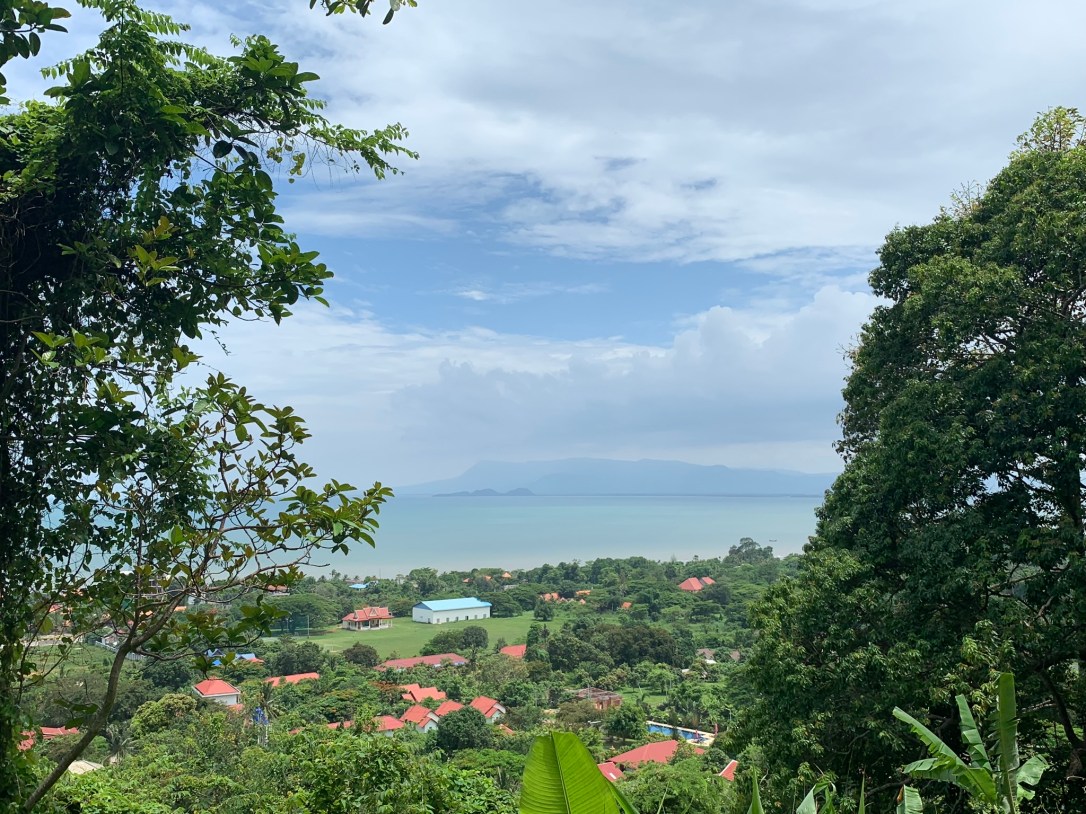
The next day, we give the national park another shot, and it’s much easier when you park the scooter and just walk around. It takes about two hours to do the loop, passing by lovely views of the sea and the close by islands, some monkeys, and, towards the end, some pretty impressive colonial buildings, now being invaded by the jungle.
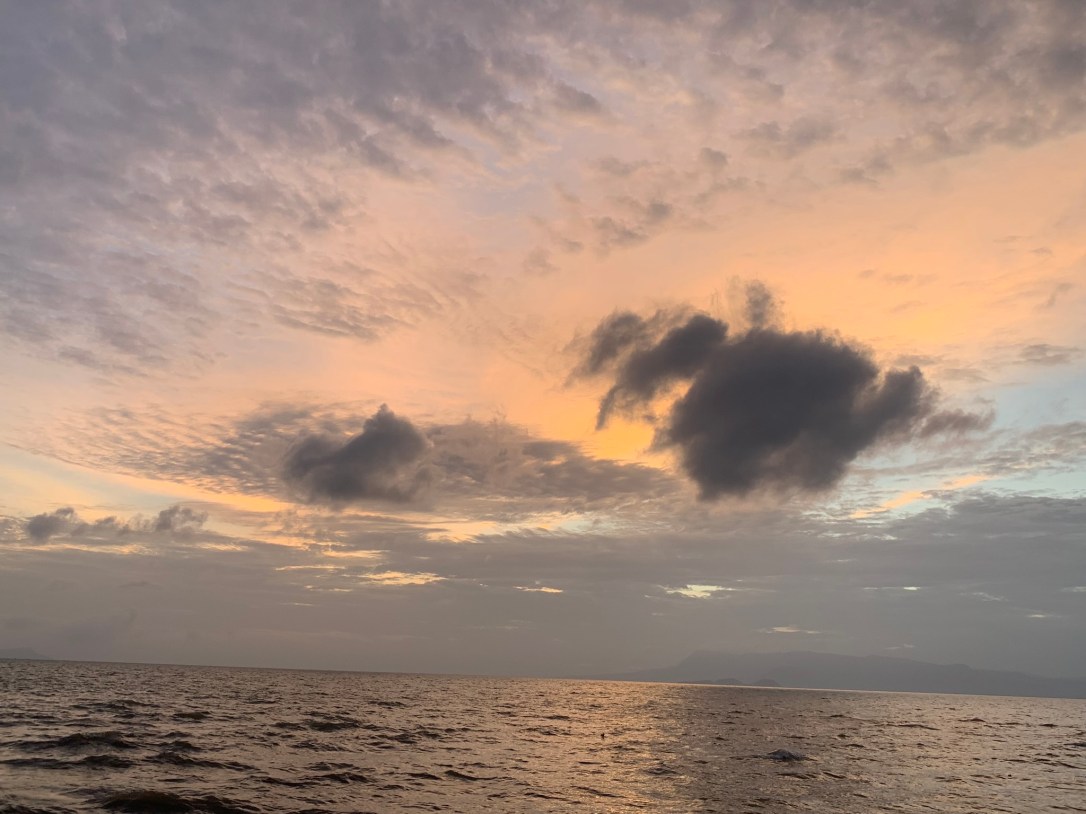
In the evening, we enjoy one more cloudy sunset, and the next morning we are on our way back to Phnom Penh. We enjoyed our time in Kep, it was very relaxing and we really loved the visit to the pepper farms. As for the beach, we are still looking for a paradisiac one in Cambodia – maybe we’ll find it next time!
Activities
Kep National Park
The most convenient entrance is by the Veranda Natural Resort. It takes about 2 to 2.5 hours to do the loop – it’s a very easy walk but it can be muddy if it has just rained.
Kep Butterfly Garden
Colorful garden full of – guess what – butterflies. Looks very unassuming, but we were impressed by the number and beauty of the butterflies in there.
La Plantation
The largest pepper farm in the area, about half an hour by motorbike from Kep. Guided tours are free of charge, but be prepared for a bunch of sales pitches. The farm is beautiful for sure, we were a bit put off by the large scale and army of Western volunteers.
BoTree Pepper Farm
Smaller than La Plantation, but feels more personal. There are also volunteers, of course, but only two or three. The food was absolutely delicious.
Food
Deli’s Kep
This place is full of imported food and quite expensive – but to be honest, we were so happy to eat some French cheese for the first time in months. They also do good coffee, but again, it’s expensive.
Beachside Tacos
Maybe not entirely traditional TexMex but tasty, and the burritos are huge.
Chankiri
This restaurant has a lovely setting in a fancy resort and it’s also on the pricier side, though really good.
Where to stay
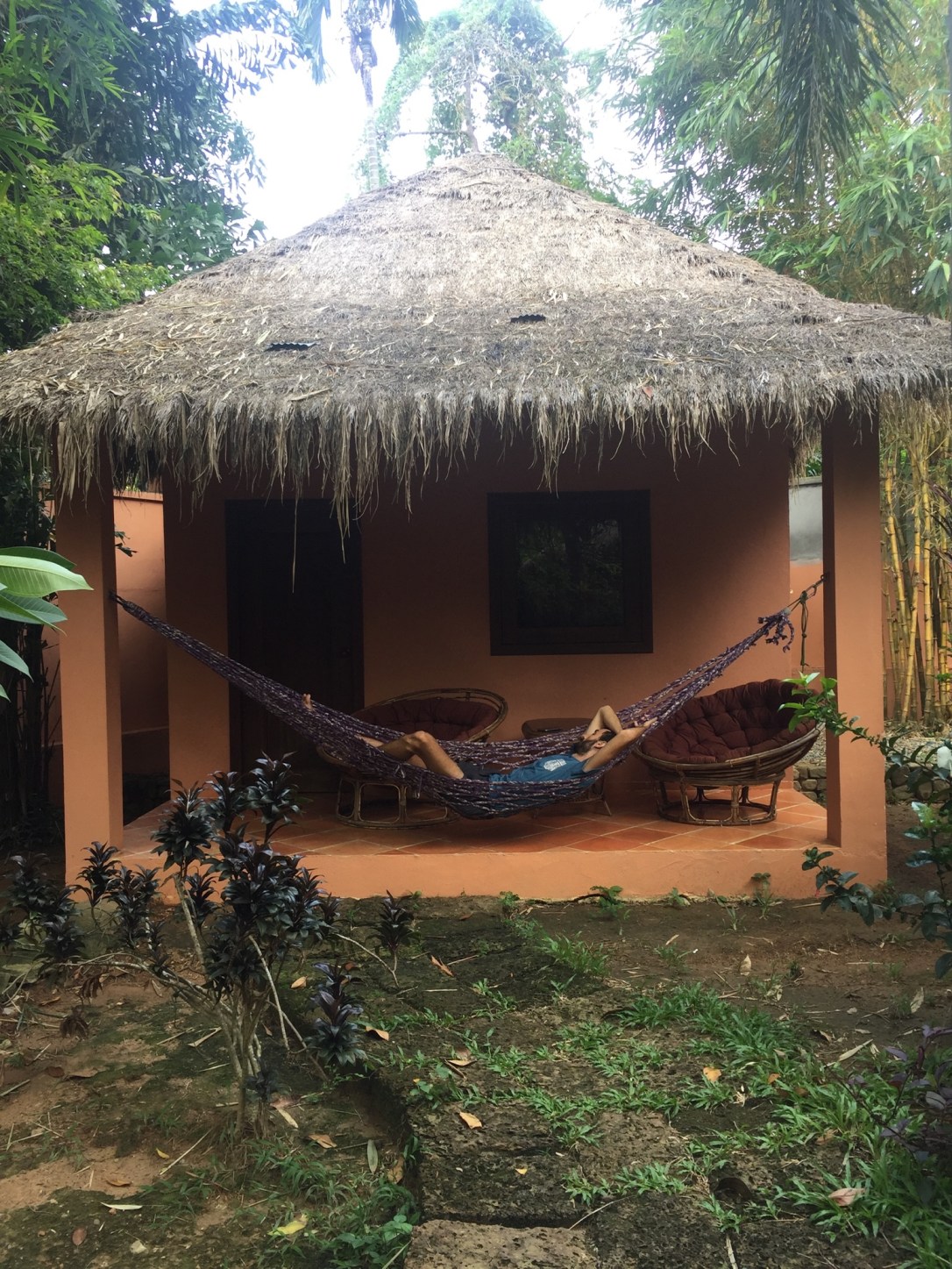
We stayed at the Botanica Guesthouse (around 22€/night), a bit outside of the centre. We loved their garden and the salt water pool, as well as the terrace with hammock. We recommend to stay in an A/C room if available, as they are a bit bigger and more comfortable.
Getting here
We took a Giant Ibis bus from Phnom Penh (around 10€/person, around 4h), which is the bus company with the best reputation in Cambodia. Frankly, they were good but we didn’t find that they were that much better than Mekong Express. They dropped us in front of our hotel, as it was on the way, and also picked us up on the way back. To get to Kep via bus or minivan, you usually have to go via Phnom Penh. The closest airports to Kep are Sihanoukville and Phnom Penh.


